A Client Asked: “Can Oxygeneo Really Replace My Monthly Hydrafacial?” — A Side-by-Side Treatment Breakdown
Last updated: June 5, 2026
— a Lorne Park client asked us last week
Short answer: No—they’re fundamentally different technologies that solve different problems. Can Oxygeneo replace Hydrafacial for monthly skin maintenance? Only if your skin goal aligns with what Oxygeneo does best. Hydrafacial is vacuum-based extraction designed for pore cleansing; Oxygeneo is gas-fusion technology built for brightening, hydration, and anti-aging. For maintenance, you’ll need to know what “maintenance” means for your specific skin.
The Short Answer
Can Oxygeneo replace Hydrafacial for monthly skin maintenance? It depends on what problem you’re solving. Both are monthly-frequency treatments, but they work on completely different principles.
Hydrafacial uses patented vortex-fusion technology to suction out deep pore debris, oil, and dead skin. It’s extraction-heavy. Oxygeneo pushes oxygen and active serums into the skin using gas-fusion technology; it’s infusion-heavy. One is mechanical cleaning; one is nutrient delivery and skin oxygenation.
If you’re doing monthly Hydrafacials purely for deep pore cleaning and want to switch to Oxygeneo, you’ll feel the difference—and probably miss the extraction. If you’re doing them for glow and hydration, Oxygeneo delivers differently (often better, according to our clients). The real question isn’t which replaces which. It’s: what does your skin actually need each month?
The Full Answer: What Separates These Two Treatments
Technology: Extraction vs. Infusion
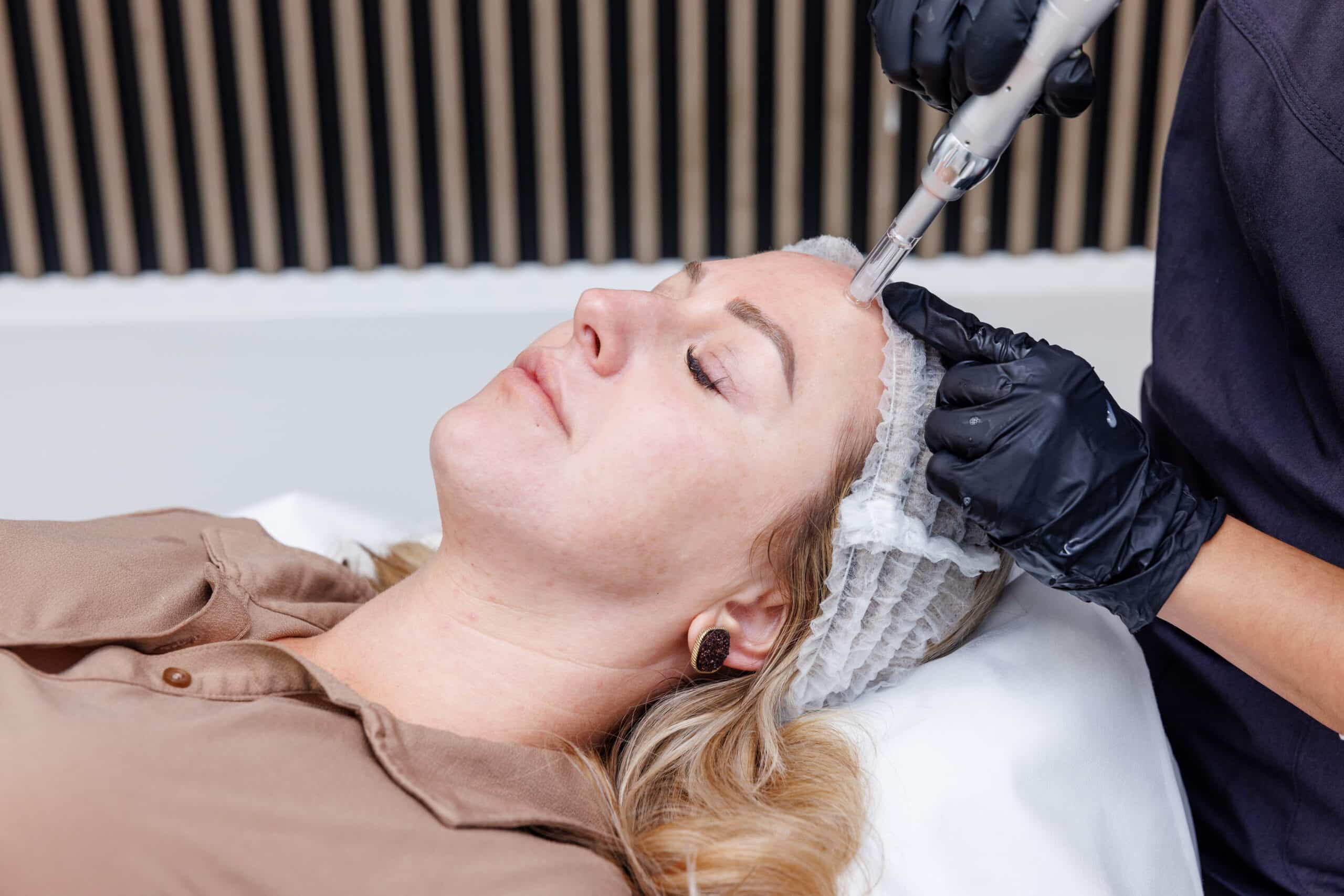
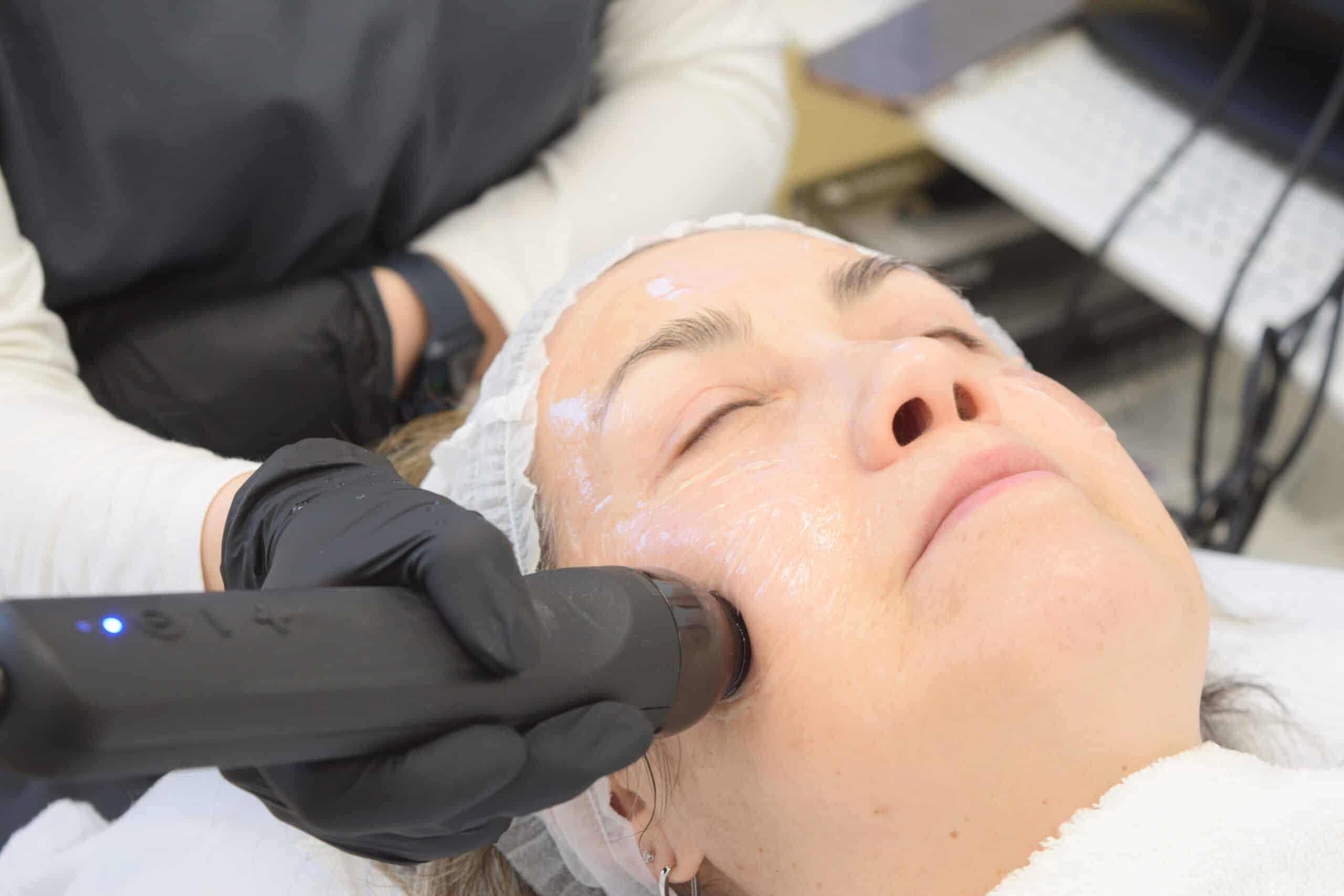
Hydrafacial’s core mechanism is suction. A handheld device creates a vortex that draws dead skin, sebum, and debris out of pores—think of it like a very gentle, controlled pore vacuum. The sensation is noticeable. You feel the pull. Over 30–40 minutes, the device cycles through extraction tips and infuses hydrating serums, but the brand’s reputation lives on the extraction step.
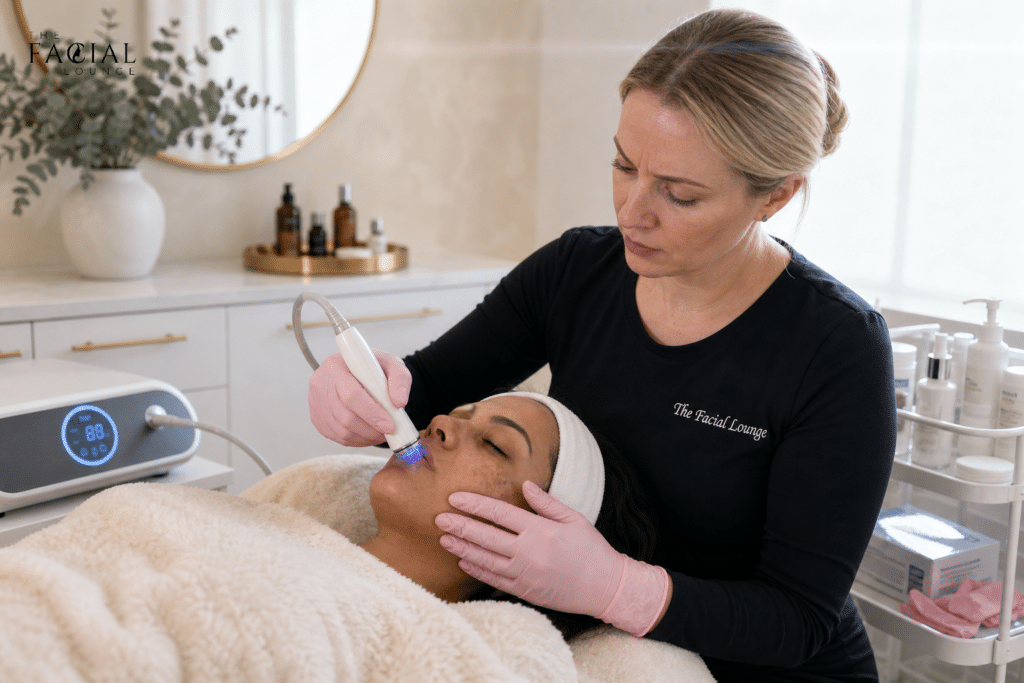
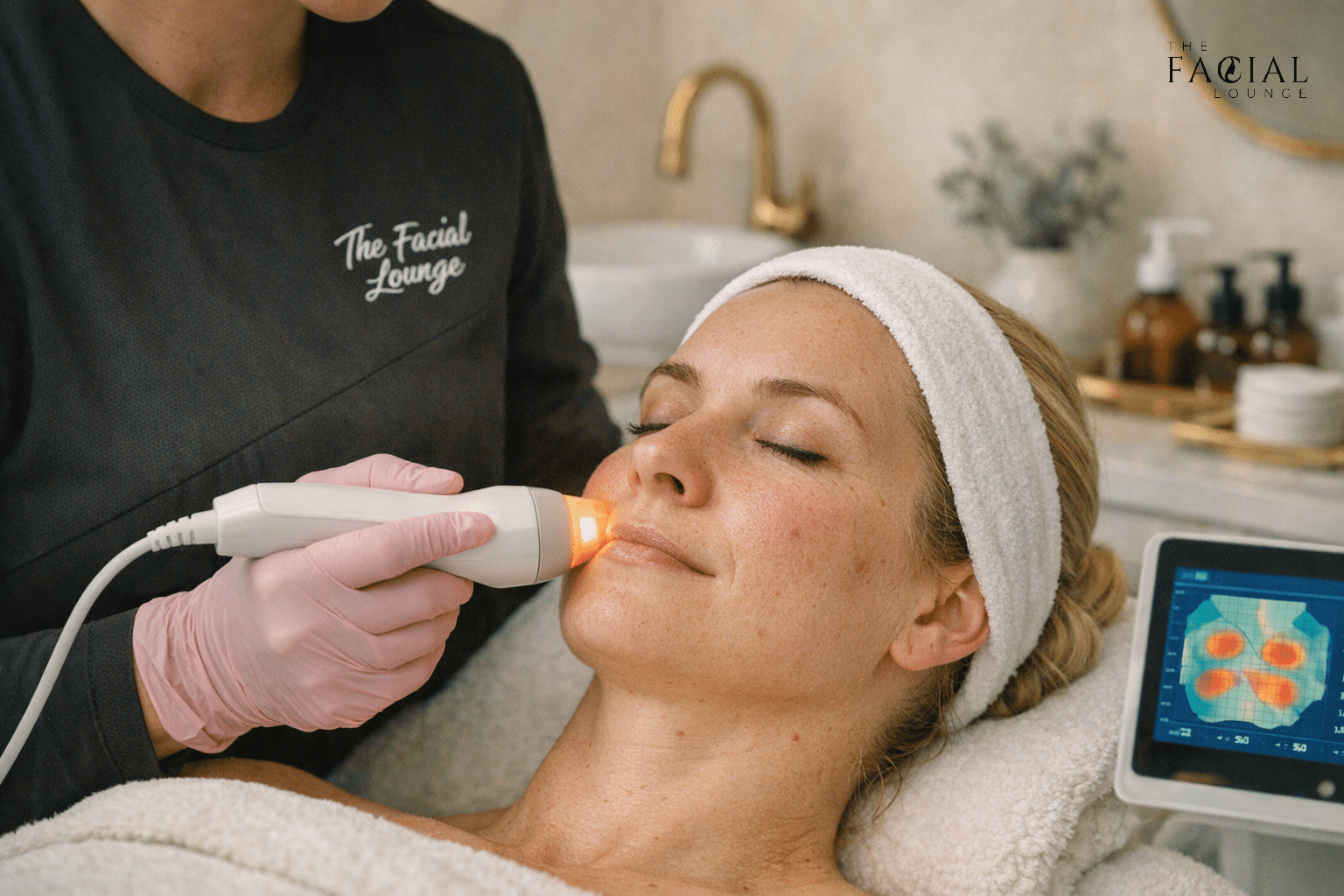
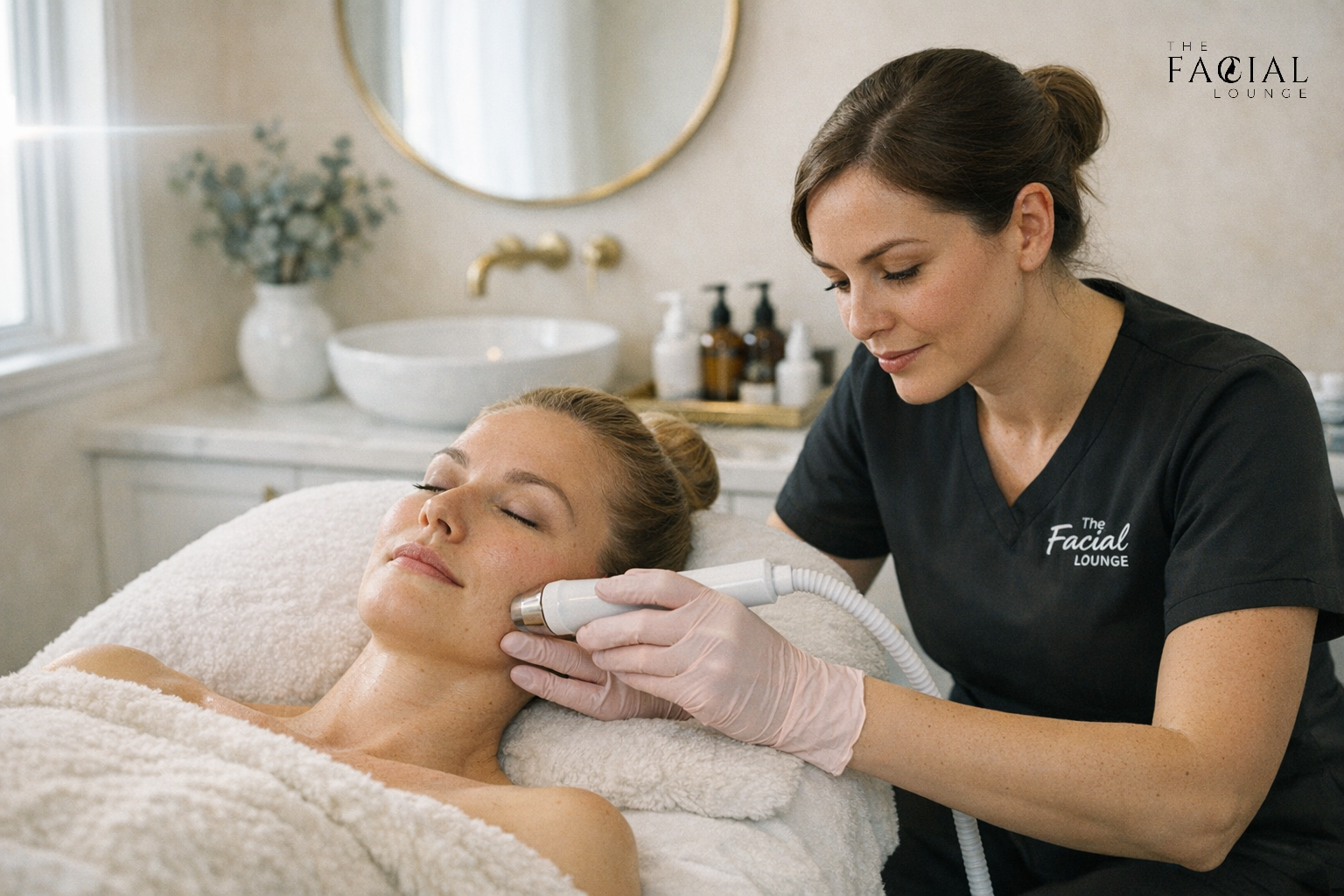
Oxygeneo works differently. It doesn’t suction. Instead, a handheld wand with a specially formulated gel creates micro-bubbles of oxygen on the skin’s surface, which then penetrate into the epidermis. Those oxygen molecules interact with the skin’s natural pH and create a chemical reaction that gently exfoliates the stratum corneum and pushes active ingredients (serums, peptides, antioxidants) into deeper layers. The sensation is gentle—almost silent, no pulling sensation.
One client from Cooksville described it perfectly: “Hydrafacial felt like my skin was being cleaned. Oxygeneo feels like my skin is being fed.”
Results Timeline: When You See Glow
This is where the practical difference becomes real for monthly maintenance.
Hydrafacial glow: Immediate. You walk out with visibly cleaner pores, plumped hydration, and a luminosity that lasts 3–7 days. The extraction creates an instant “cleared-out” aesthetic. If you’re doing it monthly, you’re chasing that extraction payoff every 28–30 days.
Oxygeneo glow: Also immediate, but different. You see radiance within hours—a dewy, oxygenated flush—but the real benefits compound over 3–4 treatments. A Lorne Park client who committed to a 3-month Oxygeneo plan (roughly monthly) saw a 60% reduction in pigmentation and significantly improved skin texture. That wouldn’t happen after one session; it happened because the oxygen and active serums accumulated in the skin over time.
If you want immediate extraction payoff month-to-month, Hydrafacial is faster. If you want to build cumulative anti-aging, brightening, and collagen-boosting benefits, Oxygeneo requires commitment but pays dividends.
Skin Types: Who Wins at Monthly Frequency
Here’s where the 3D Skin Analysis that starts every protocol at The Facial Lounge becomes essential. Before you commit to either treatment monthly, we analyze your skin’s hydration, elasticity, pore size, pigmentation, and sensitivity using live 3D imaging. That data tells us which technology makes sense.
Oxygeneo wins for: Dehydrated skin (it infuses moisture and oxygen), dull or fatigued skin, early fine lines (oxygen accelerates collagen), sensitive skin (no suction means less irritation), and hyperpigmentation (the oxygen + serums combo targets melanin). Monthly Oxygeneo is gentle enough to repeat without overdoing it.
Hydrafacial wins for: Congested skin, active breakouts (extraction removes bacteria and sebum), and oily, clogged pores. If your main complaint is “my pores feel dirty,” Hydrafacial solves it faster.
The catch: Frequent suction (Hydrafacial monthly for 6+ months) can sensitize thin or already-reactive skin. Over-suction disrupts the skin barrier. Oxygeneo, being gentler, is harder to overdo—which is why our Port Credit clients with sensitive skin often move to Oxygeneo after getting frustrated with Hydrafacial’s reactivity.
Cost and Value Over a Year
| Treatment | Cost per Session | 12-Month Cost (Monthly) | Best For |
|---|---|---|---|
| Oxygeneo Super Facial | from $189 | Priced per session | Cumulative brightening, hydration, anti-aging |
| Hydrafacial (industry avg.) | Priced per session | Your protocol cost is confirmed after your 3D Skin Analysis. | Monthly pore extraction and immediate glow |
| Hybrid (Oxygeneo 10 months + TriPollar RF 2 months) | $189–$250 | Treatment pricing is confirmed with the clinic. | Best of both: brightening + skin tightening |
The Oxygeneo Super Facial at The Facial Lounge starts from $189, making it roughly on par with or cheaper than most Hydrafacial clinics offering the treatment monthly. But here’s what clients often don’t realize: if you’re paying monthly for extraction alone, you’re not building toward a skin goal—you’re managing a symptom.
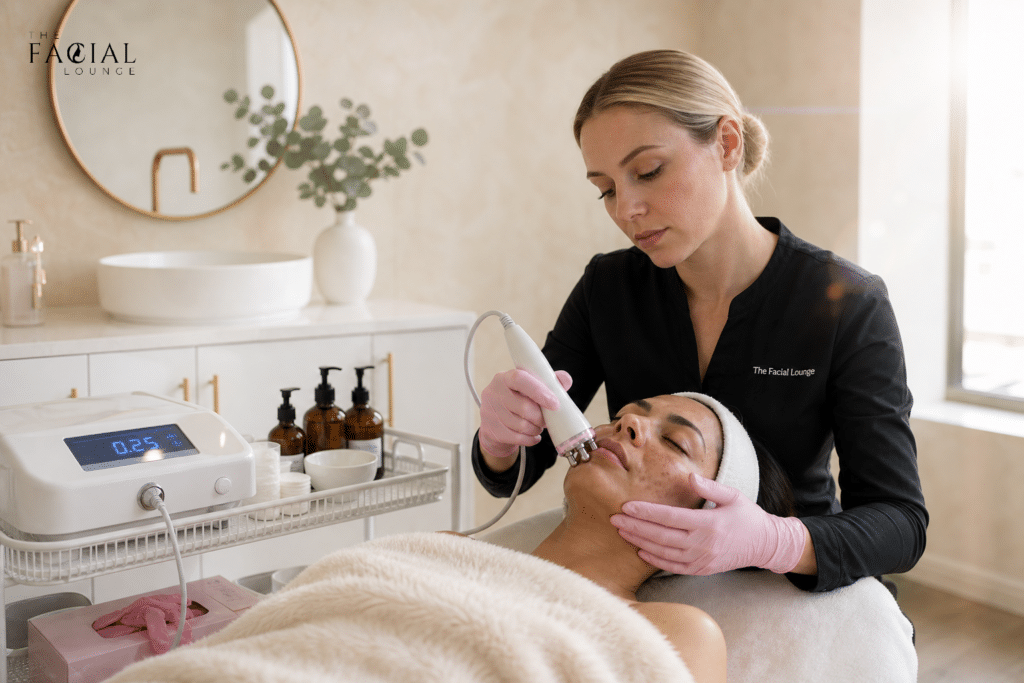
Many Mississauga clients find a hybrid approach more valuable. An Oxygeneo plan may support brightness and hydration, followed by one TriPollar RF skin tightening session (from $250) to support a lifted-looking appearance. Your protocol length and cost are set after your 3D Skin Analysis.
Downtime and Lifestyle Fit
Both treatments have zero downtime. You can step out and go to work or grab lunch.
But post-treatment care differs. After Hydrafacial, your skin is freshly extracted and sensitive to active ingredients for 24 hours—some clinics recommend skipping vitamin C serums or acids that night. Oxygeneo actually preps your skin to absorb additional serums, so if you’re using prescription retinoids or professional-strength treatments at home, Oxygeneo complements them better than Hydrafacial does.
One realistic note: if you skip SPF after either treatment, you’re wasting the benefit. Both leave skin more photosensitive. We’ve seen clients (particularly in Lakeview and Port Credit where sun exposure is higher in summer) undo six months of progress by neglecting sunscreen post-treatment. Don’t be that person.
The Real-World Protocol: Can Oxygeneo Replace Hydrafacial?
Here’s where our Streetsville and Mineola clients often land after trying both.
If your Hydrafacial goal is pore extraction: Oxygeneo does not replace it. Oxygeneo will never give you that satisfying “deep clean” sensation. If pore cleansing is non-negotiable, keep Hydrafacial in rotation quarterly or bi-monthly—it’s the only technology that does what it does.
If your Hydrafacial goal is glow and hydration: Oxygeneo absolutely replaces it—and usually improves on it. The cumulative effects (brightness, reduced pigmentation, smoother texture) exceed what monthly Hydrafacial alone would achieve. After the 3D Skin Analysis, we might recommend Oxygeneo every 4 weeks for three months, then every 6 weeks for maintenance.
If you want the best maintenance result: We recommend a hybrid approach. One month: Oxygeneo. Second month: VoluDerm RF microneedling (from $325) for collagen. Third month: Oxygeneo. Fourth month: TriPollar RF (from $250). You’re rotating technologies every month but spacing out the aggressive treatments (microneedling, RF) so your skin barrier stays strong. Over a year, you’re building visible lift, brightness, and texture—not just chasing cleanliness.
Related Question We Often Hear
Yes. Oxygeneo is gentler than most monthly treatments. The oxygen and serums don’t strip or over-exfoliate—they infuse and oxygenate. The only caution: if you’re also using prescription retinoids (like tretinoin) or strong active acids at home, space out Oxygeneo to every 6 weeks instead of 4, to avoid over-stimulation. The 3D Skin Analysis will show us your skin’s barrier health and recommend the right frequency.
When the Answer Is Different: Edge Cases
You have active acne or deep congestion: Hydrafacial wins here. The extraction is medically useful for removing bacterial-laden sebum. Oxygeneo is excellent for post-acne repair and pigmentation, but not for active breakout extraction.
You’re on Accutane or post-laser treatment: Neither treatment is ideal in the first 2–4 weeks. Your skin barrier is compromised. Once cleared (usually month 2–3), Oxygeneo is the safer restart because it hydrates and rebuilds rather than extracts. Hydrafacial’s suction can irritate newly healed skin.
You have rosacea or severe sensitivity: Hydrafacial’s suction can trigger flushing and redness. Oxygeneo’s gentler infusion makes it better tolerated. However, both need to be done by a certified esthetician who customizes the protocol—we wouldn’t rush either treatment on reactive skin.
You’re doing competing treatments: Here’s a mistake we see often: clients mixing Hydrafacial with aggressive at-home exfoliation or professional chemical peels in the same month. Over-exfoliating destabilizes the barrier. If you’re doing monthly Hydrafacial, skip acids and vitamin C for 2–3 days post-treatment. If you’re doing Oxygeneo, you can layer serums immediately—it actually preps the skin for absorption.
Frequently Asked Questions
Oxygeneo is better for fine lines. The oxygen stimulates collagen production, and the infused serums (peptides, antioxidants) support skin firmness. Hydrafacial is more about surface cleansing and hydration—it doesn’t target aging structure. For aging skin, pair Oxygeneo with TriPollar RF (which tightens) for optimal results.
Not ideal. Doing them within 7–10 days of each other risks over-treating the skin barrier. If you want both technologies’ benefits, space them 2+ weeks apart, or choose one per month and rotate. Most clients find a monthly Oxygeneo + quarterly Hydrafacial works better than both monthly.
Because skin changes month to month. The 3D Skin Analysis at the start of every appointment shows whether your hydration, sensitivity, or pigmentation has shifted. A static routine (same treatment every month) misses those shifts. A custom protocol adapts—Oxygeneo in months 1 and 3 (for brightening), VoluDerm or TriPollar in month 2 (for structure), and a Korean Glass Facial in month 4 (for maintenance glow). You’re building results, not repeating a script.
You’ll notice glow after the first Oxygeneo session (within hours). But if you’re used to Hydrafacial’s extraction sensation and pore-tightening effect, you might feel disappointed at first—Oxygeneo feels gentler and less “active.” Stick with 3–4 monthly sessions. By month three, most clients report brighter, smoother, more hydrated skin than they got from Hydrafacial. The comparison only works after you let Oxygeneo compound.
The Bottom Line
Can Oxygeneo replace Hydrafacial for monthly skin maintenance? Yes—if your maintenance goal is brightening, hydration, and anti-aging. No—if your primary need is pore extraction and deep cleansing. They’re different enough that “replacement” depends entirely on what you’re trying to achieve.
Here’s what I’ve learned from five years of working with Mississauga clients across Port Credit, Lorne Park, Cooksville, and Streetsville: the clients who get the best results aren’t loyal to a single treatment. They get a 3D Skin Analysis, identify what their skin actually needs (hydration, pigmentation, loss of elasticity, congestion), and build a rotating protocol. One client might do Oxygeneo monthly for six months, then switch to quarterly once her pigmentation clears. Another might do TriPollar RF every 6 weeks for jawline definition, with Oxygeneo on the off-weeks for glow. The Port Credit mom-of-two I mentioned? She did four TriPollar RF sessions over six weeks for visible jawline lift, then moved to bimonthly Oxygeneo for maintenance.
The question isn’t “which treatment replaces which.” It’s “what does my skin need, and which tool delivers that?” Book a consultation—we’ll do the analysis and show you the data.
Ready to Find Your Ideal Protocol?
The Facial Lounge is located at 100 Queen St., Unit 202, Mississauga. Every appointment begins with a 3D Skin Analysis—no guessing, no one-size-fits-all. We’ll show you exactly which treatment (or combination) delivers your best skin.
🎧 Listen to article
- How a 3D Skin Analysis Caught 3 Hidden Concerns in One Client’s Routine — and Changed Her Treatment Plan Entir
- A Client Asked: “Will VoluDerm RF Microneedling Actually Hurt If I Have Sensitive Skin?” — The Full Answer
- Why Clients from Lakeview Bring Unique Sun-Damage Patterns That Standard Facials Miss — What Our 3D Scan Shows
- What a 3D Skin Analysis + Custom Facial Treatment Actually Costs in 2026 — Real Numbers by Concern Type
- Oxygeneo vs Oxygen Infusion Therapy: Which Delivers Deeper Hydration for Dehydrated Skin Types


Related Posts