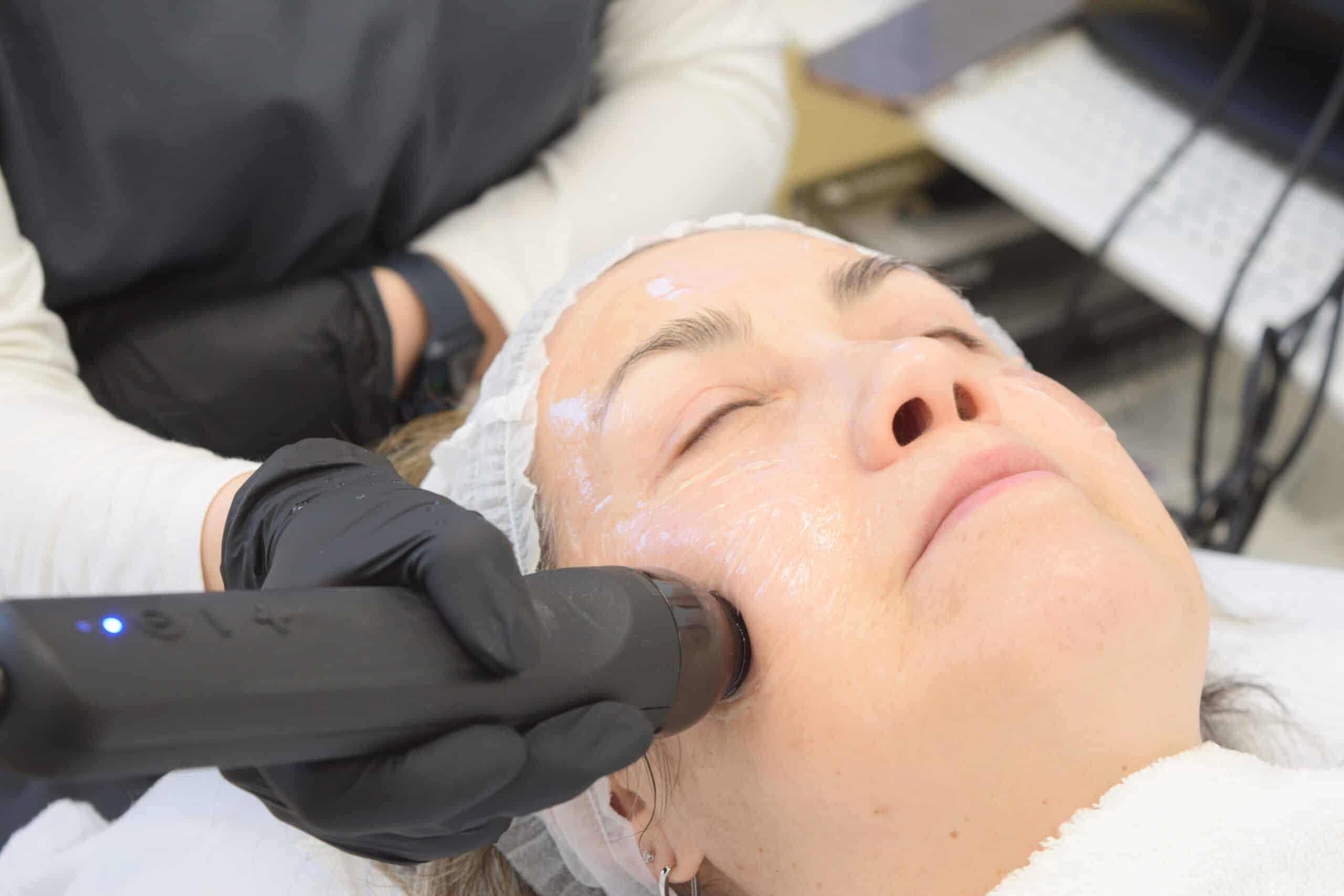
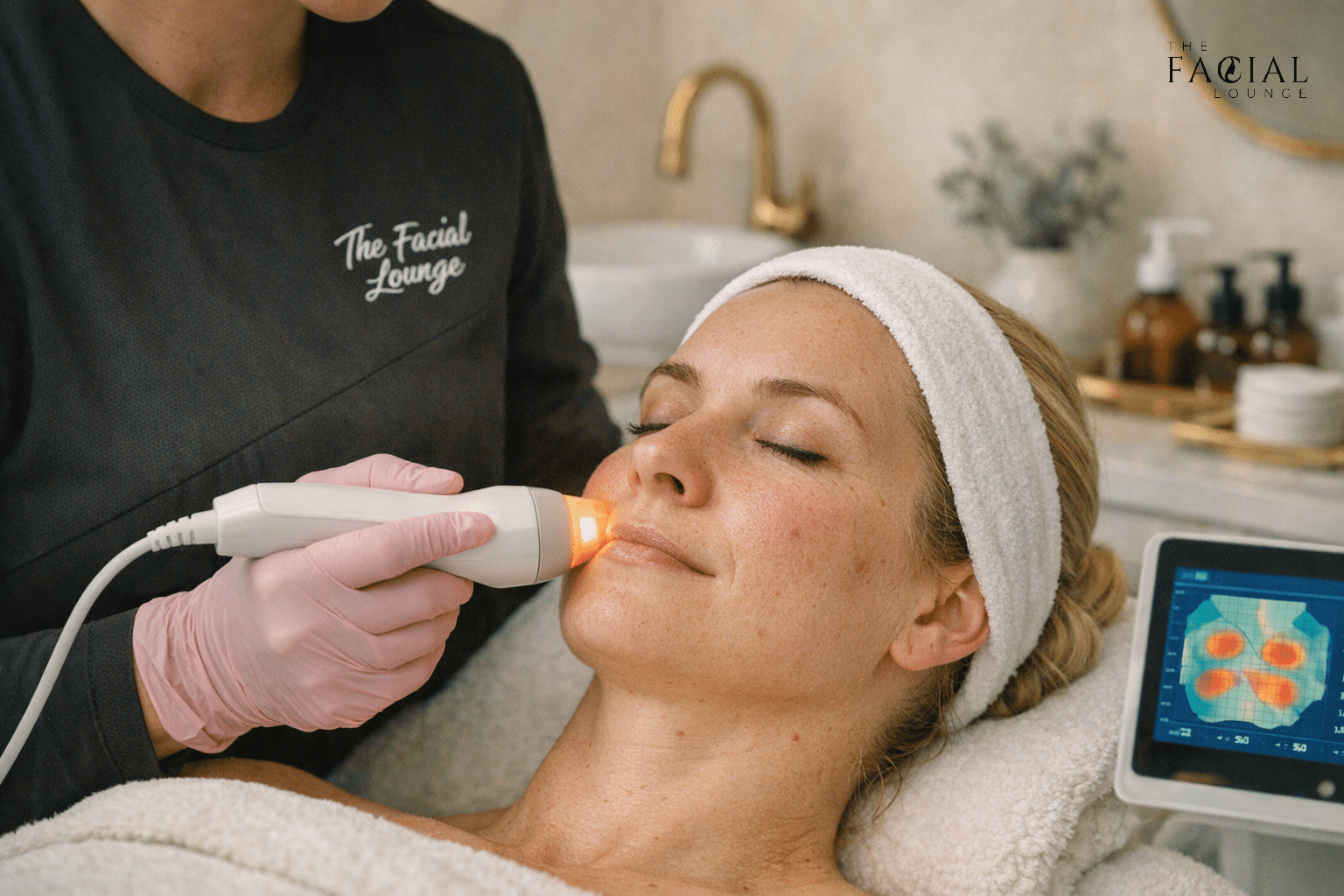
Oxygeneo vs Oxygen Infusion Therapy: Which Delivers Deeper Hydration for Dehydrated Skin Types
Last updated: June 2, 2026
Oxygeneo vs oxygen infusion therapy for dehydrated skin—which is better? Neither wins outright. Oxygeneo tripolizes (bubbles CO₂ across the epidermis to trigger vasodilation) and infuses serums, while oxygen infusion therapy pressurizes pure O₂ directly into deeper dermis layers. One suits quick cumulative hydration; the other locks moisture into compromised barriers. The right choice depends on your barrier’s current state, how fast you need results, and whether your skin can handle active exfoliation right now.
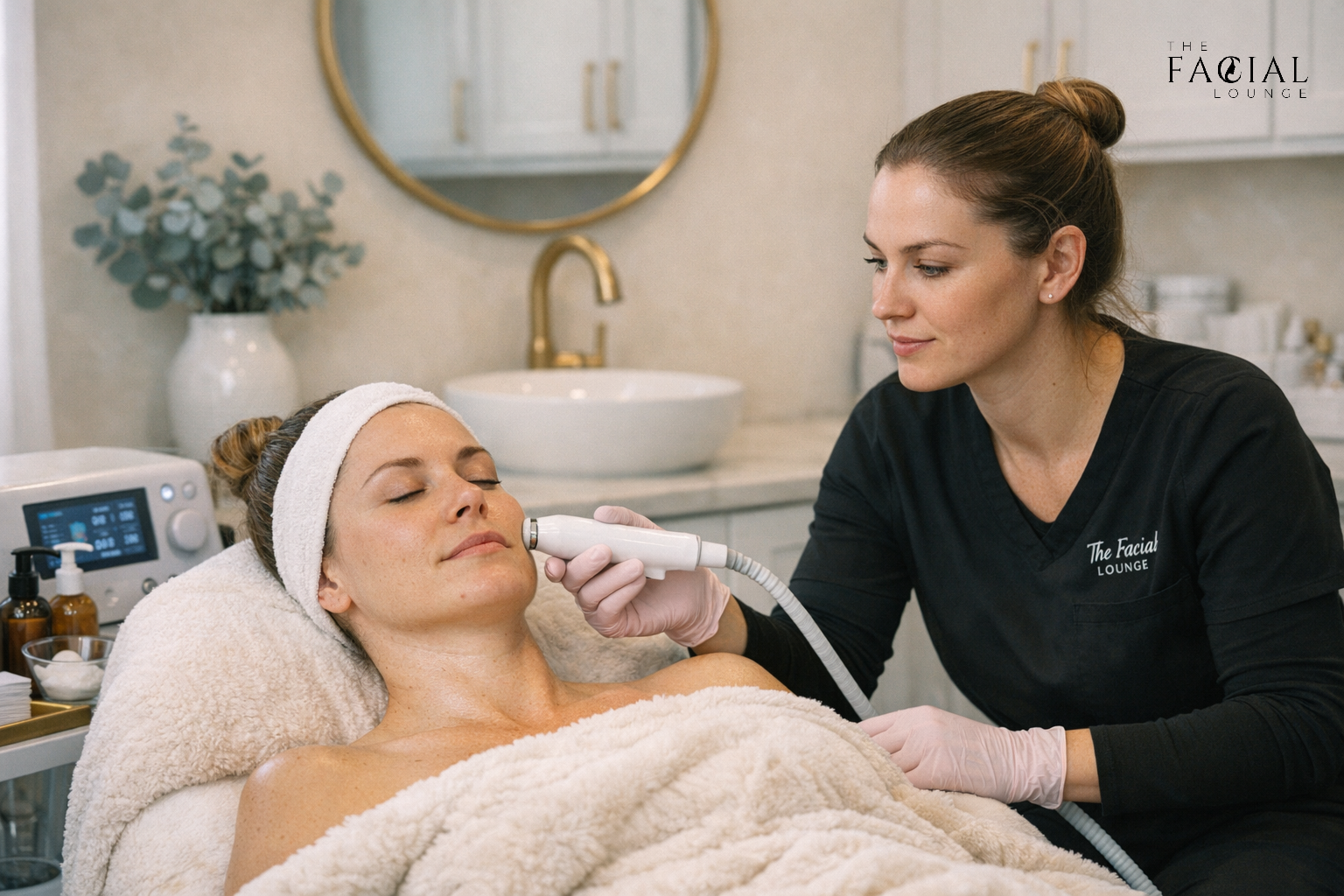
- Oxygeneo Super Facial uses bubble technology to exfoliate and infuse; best for recurring maintenance and pigmentation (Lorne Park client saw 60% reduction in 3 months).
- Oxygen infusion therapy pressurizes O₂ into dermis without exfoliation; ideal for sensitive, compromised, or post-procedure barriers.
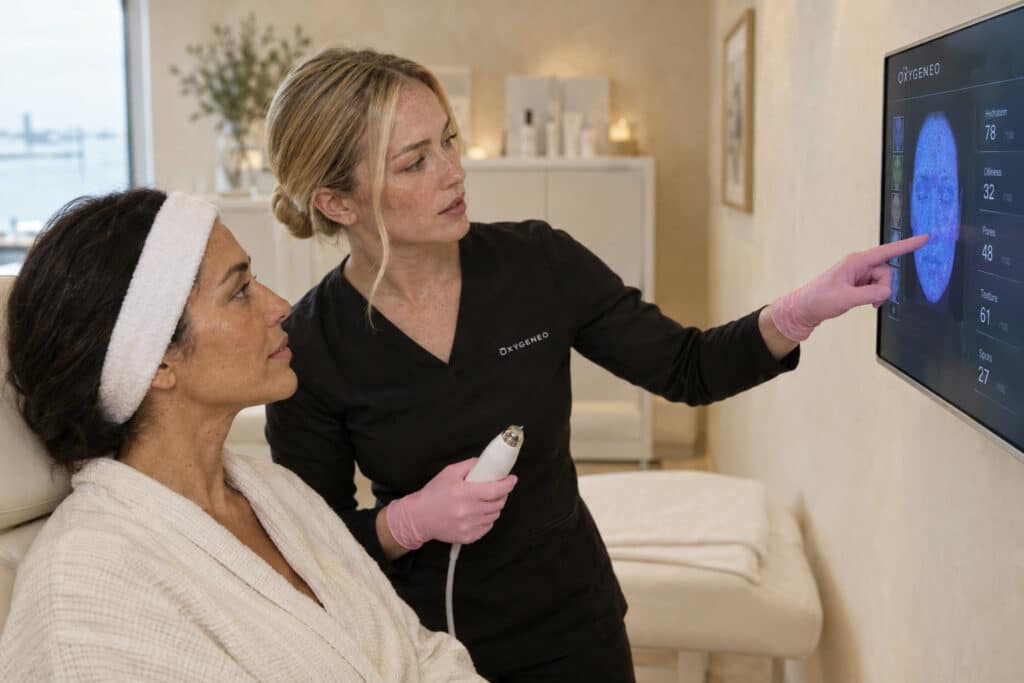
- Every protocol at The Facial Lounge starts with a 3D Skin Analysis to determine which technology—or combination—matches your barrier’s current state.
- Over-cleansing and skipping SPF undermine both treatments; neither works in isolation.
Table of Contents
- Oxygeneo Super Facial: The Bubble Exfoliant Approach
- Oxygen Infusion Therapy: Pressurized Hydration
- Head-to-Head Comparison
- When to Choose Which Treatment
- Our Verdict
- Frequently Asked Questions
Oxygeneo Super Facial: The Bubble Exfoliant Approach
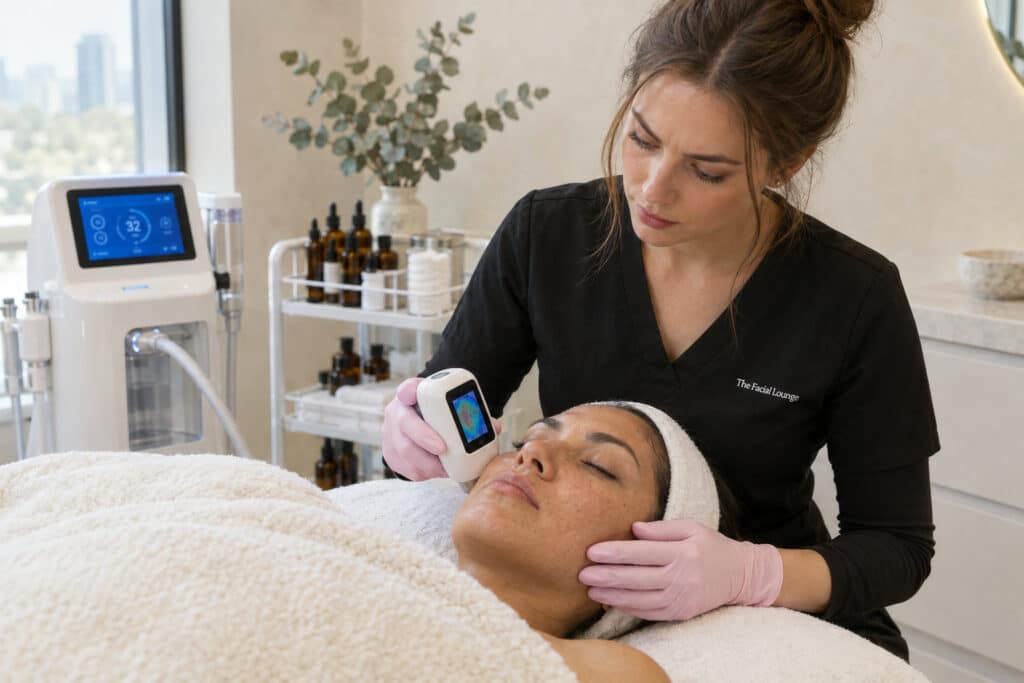
Oxygeneo is a three-step system: carboxy bubble exfoliation, hyperoxidation, and serum infusion. During the bubble phase, pressurized CO₂ pulsates against your skin, creating micro-cavitation bubbles that gently dislodge dead skin cells and stimulate blood flow. That sensation—a light fizzing, almost effervescent—is the technology at work. The treatment then infuses oxygen and serums (vitamin C, hyaluronic acid, peptides) into the freshly exfoliated epidermis.
At The Facial Lounge, Oxygeneo Super Facial starts at $189. It’s ideal for clients chasing cumulative results—pigmentation reduction, texture refinement, and mild hydration boosts. A Lorne Park client saw 60% pigmentation reduction after three months of monthly sessions, following a protocol driven by her 3D Skin Analysis.
The exfoliation component matters. If your barrier is compromised, inflamed, or post-procedure, Oxygeneo can feel irritating. We’ve learned this the hard way: a client over-cleansed before arriving, then paired Oxygeneo with active ingredients (retinol + AHA) at home the same week. Two callbacks, mild sensitization, and a reset protocol. Oxygeneo shines when your skin is resilient enough to handle gentle exfoliation and when you can commit to SPF 30+ year-round (not just summers).
Oxygeneo strength: cumulative pigmentation and texture results, mild hydration, maintenance every 4–6 weeks, no downtime.
Oxygeneo weakness: if your barrier is already sensitive or dehydrated from over-cleansing, the exfoliation component can trigger temporary redness or tightness.
Oxygen Infusion Therapy: Pressurized Hydration Without Exfoliation
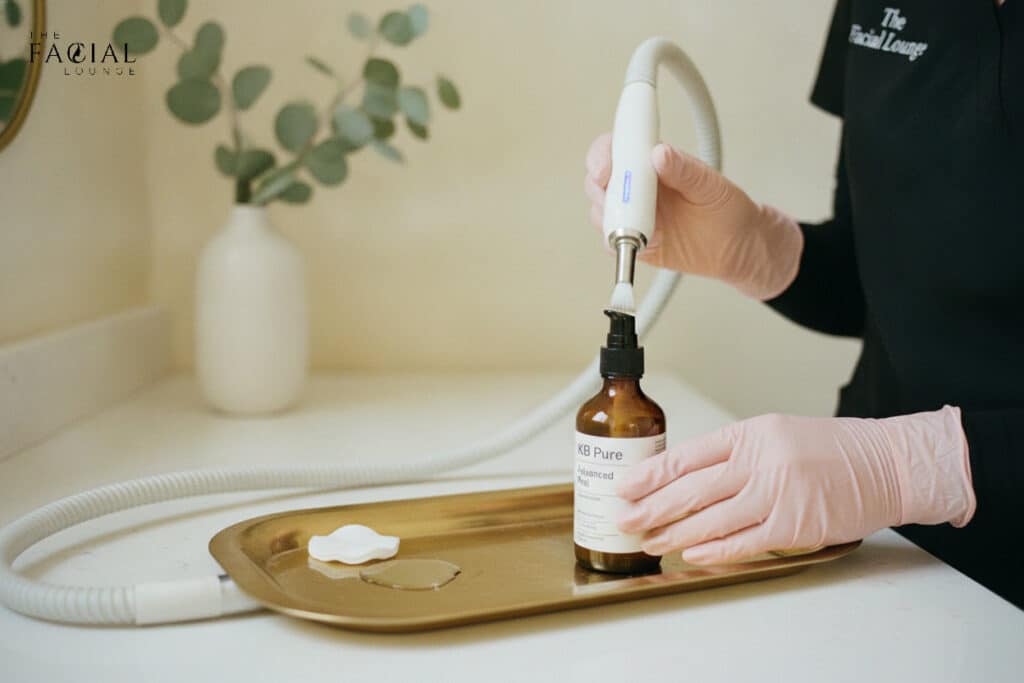
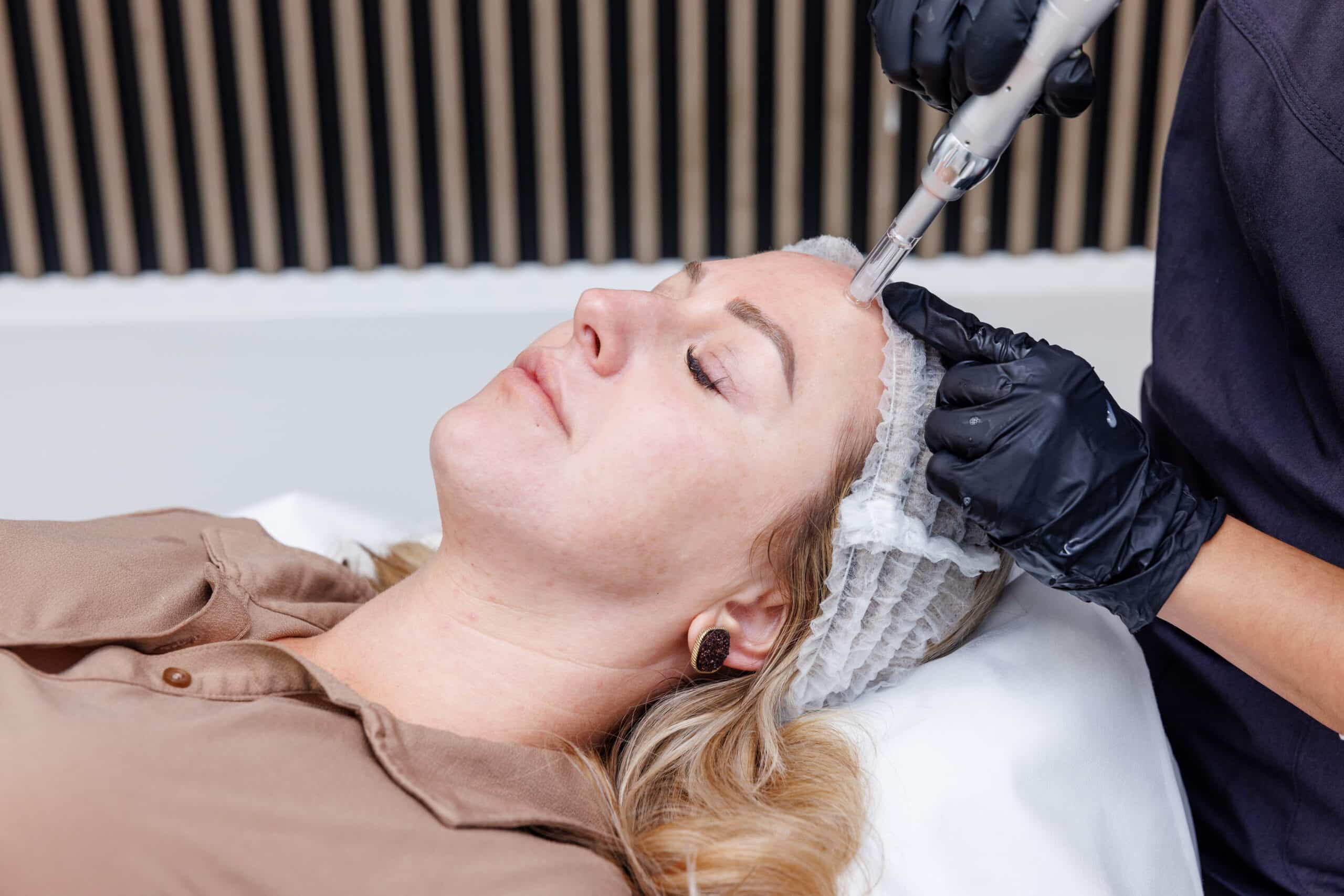
Oxygen infusion therapy works differently. A pressurized device sprays medical-grade oxygen and hydrating serums (hyaluronic acid, glycerin, niacinamide) into your skin without exfoliating. There’s no bubble phase, no mechanical shedding—just oxygen penetration and serum infusion. The pressure of oxygen actually widens pores momentarily, allowing hydrating molecules to settle deeper into the dermis.
This approach is gentler on compromised barriers. If you’re healing from microneedling, dealing with rosacea, or recovering from over-exfoliation, oxygen infusion therapy won’t ask your skin to do extra work. You walk out calm, plumped, and hydrated—with zero flaking or peeling the next morning. It’s also the perfect pairing after VoluDerm RF microneedling or TriFractional resurfacing, when your barrier needs soothing more than stimulation.
The catch: oxygen infusion therapy alone doesn’t address pigmentation or texture as aggressively as Oxygeneo does. It’s a hydration-and-calm specialist, not a resurfacing tool. If dehydration is your primary concern—tight skin, dull tone, compromised barrier—oxygen infusion therapy wins. If you also want to fade hyperpigmentation or refinement, you might need a dual approach.
Oxygen infusion strength: barrier repair, deep hydration, post-procedure soothing, sensitive skin tolerance, no downtime, immediate plumping.
Oxygen infusion weakness: slower results for pigmentation or texture; better suited to maintenance than transformation.
Head-to-Head Comparison: Oxygeneo vs Oxygen Infusion Therapy
| Attribute | Oxygeneo Super Facial | Oxygen Infusion Therapy |
|---|---|---|
| Mechanism | CO₂ bubble exfoliation + serum infusion | Pressurized O₂ + serum infusion (no exfoliation) |
| Best For | Pigmentation, texture, resilient skin | Barrier repair, sensitivity, post-procedure |
| Price (single session) | From $189 | Varies; often bundled with other services |
| Downtime | None; mild redness (30 mins) | None |
| Results Timeline | Cumulative; 3–4 sessions for visible change | Immediate plumping; durable 7–10 days |
| Frequency | Every 4–6 weeks (maintenance) | Every 2–3 weeks (optional; as needed) |
| Barrier Sensitivity | Avoid if compromised; requires SPF discipline | Safe on sensitive, inflamed, or post-procedure skin |
| Hydration Depth | Surface + mild dermal | Deep dermal penetration |
When to Choose Which Treatment
- Your primary concern is pigmentation (sun damage, melasma, post-inflammatory hyperpigmentation).
- Your skin barrier is healthy and resilient (no active inflammation, rosacea, or recent procedures).
- You’re committed to SPF 30+ daily, year-round (not just summer).
- You want cumulative texture refinement and mild dullness lift.
- You can schedule maintenance every 4–6 weeks without gaps.
- Your primary concern is dehydration and barrier compromise (tight, dull, reactive skin).
- Your skin is sensitive, inflamed, or recovering from procedures (microneedling, laser, chemical peels).
- You’re dealing with rosacea, eczema, or post-acne sensitization.
- You want immediate, visible plumping without any exfoliation-related irritation.
- You need a gentle, frequent treatment (every 2–3 weeks) without barrier stress.
The real answer? At The Facial Lounge, we don’t choose for you—your 3D Skin Analysis does. This foundational scan measures hydration depth, barrier integrity, pigmentation distribution, and collagen density. From that data, we design a protocol. Often it’s both: Oxygeneo every 4 weeks for transformation, oxygen infusion therapy every 2–3 weeks between sessions for barrier maintenance. A Port Credit mom-of-two started with Oxygeneo for fine lines and pigmentation; after her third session, we layered in oxygen infusion therapy on weeks two and five to prevent the post-exfoliation dryness she’d historically suffered. Her compliance soared; results compounded.
Our Verdict: Context Over Dogma
If I had to pick one winner for “which delivers deeper hydration for dehydrated skin,” oxygen infusion therapy takes it. The pressurized delivery and absence of exfoliation make it the safer, more comfortable hydration specialist. Dehydrated skin needs calm, not stimulation.
But if your dehydration is tied to pigmentation or texture concerns, stopping at oxygen infusion therapy alone leaves money on the table. You’d benefit from a phased approach: repair barrier hydration with oxygen infusion therapy for 4–6 weeks, then introduce Oxygeneo once sensitivity settles.
Here’s what actually determines your success: the 3D Skin Analysis, consistent frequency (no more than two-week gaps), and relentless SPF discipline. We’ve seen clients with identical dehydration concerns respond differently because one skipped sunscreen on cloudy days and the other didn’t. Dehydration often isn’t a treatment problem—it’s a home-care problem masquerading as one.
Final stance: If your barrier is compromised or sensitive, start with oxygen infusion therapy. If your barrier is intact but dull and dehydrated, Oxygeneo works fine—just commit to weekly SPF reapplication and avoid mixing active ingredients at home the week of treatment. If you’re willing to book a 3D Skin Analysis, let the data guide the protocol. That’s how we’ve built a client base in Mississauga (Port Credit, Lorne Park, Cooksville, Streetsville, Mineola, Clarkson, and Lakeview) with measurable, repeatable results.
Frequently Asked Questions
Can I use Oxygeneo and oxygen infusion therapy in the same week?
No. If you do Oxygeneo on Monday, wait until Friday at the earliest before oxygen infusion therapy. Your barrier needs 72 hours to settle after exfoliation. Many clients do Oxygeneo on week one, oxygen infusion therapy on weeks two and three, then repeat—this spacing protects barrier integrity while maximizing results.
How quickly will I see hydration improvement from oxygen infusion therapy?
Immediately. You’ll walk out with plumper, dewier skin that lasts 7–10 days. Cumulative hydration (skin that stays hydrated between sessions) builds after 4–6 weeks of regular treatments. Don’t expect oxygen infusion therapy alone to solve chronic dehydration in one or two sessions—consistency matters.
What home-care mistakes undo the hydration benefits of both treatments?
Three main ones: over-cleansing (washing more than twice daily strips your barrier), skipping SPF or reapplying inconsistently (UV exposure degrades hyaluronic acid), and mixing too many active ingredients at once (retinol + AHA + vitamin C in the same routine overwhelms a healing barrier). After treatment, simplify to cleanser, hydrating serum, and SPF for one week.
Is oxygen infusion therapy safe after VoluDerm RF microneedling or TriPollar RF?
Yes. In fact, we recommend it. After VoluDerm RF microneedling or TriPollar RF skin tightening, your barrier is mildly sensitized and craves hydration. Oxygen infusion therapy 48–72 hours post-procedure accelerates healing and locks in moisture without exfoliating or further stimulating. It’s a gentle finishing move.
Ready to Discover Your Best Hydration Protocol?
Book your 3D Skin Analysis at The Facial Lounge in Mississauga. We’ll measure barrier integrity, hydration depth, and pigmentation to build a treatment plan that actually sticks.
🎧 Listen to article
- Oxygeneo vs AQUAPURE vs TriFractional: Which Facial in Mississauga Actually Delivers After One Session
- TriPollar RF vs VoluDerm RF Microneedling: Which Technology Targets Deeper Collagen Layers for Skin Firming
- 3D Skin Analysis Results From 183 Mississauga Clients: The Skin Concern Pattern Nobody Talks About
- TriPollar RF vs VoluDerm: Which Skin-Tightening Facial in Mississauga Is Right for Your Age and Skin Laxity
- Skin Hydration in First-Time Clients: The Hidden Dryness Most Routines Miss


Related Posts