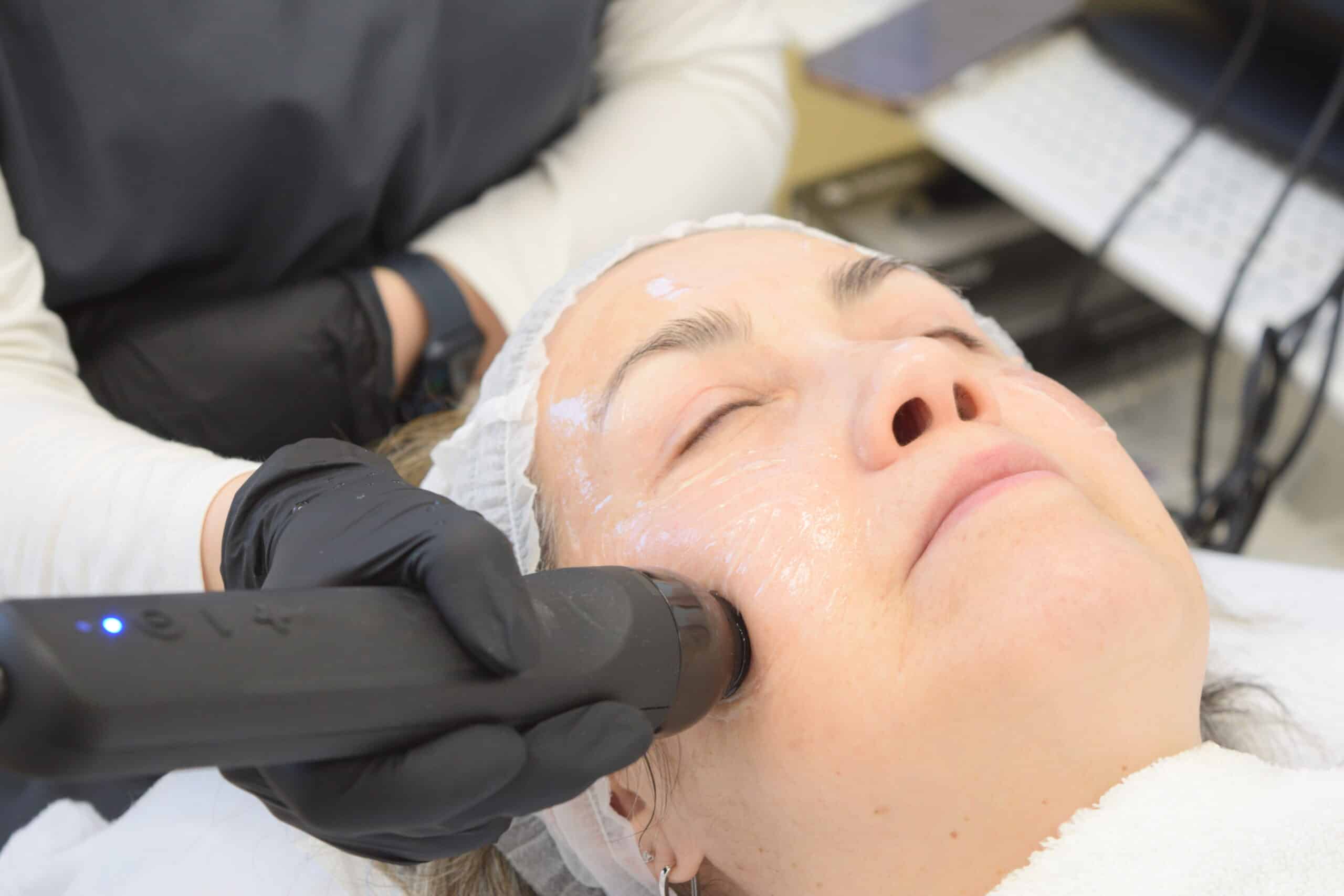
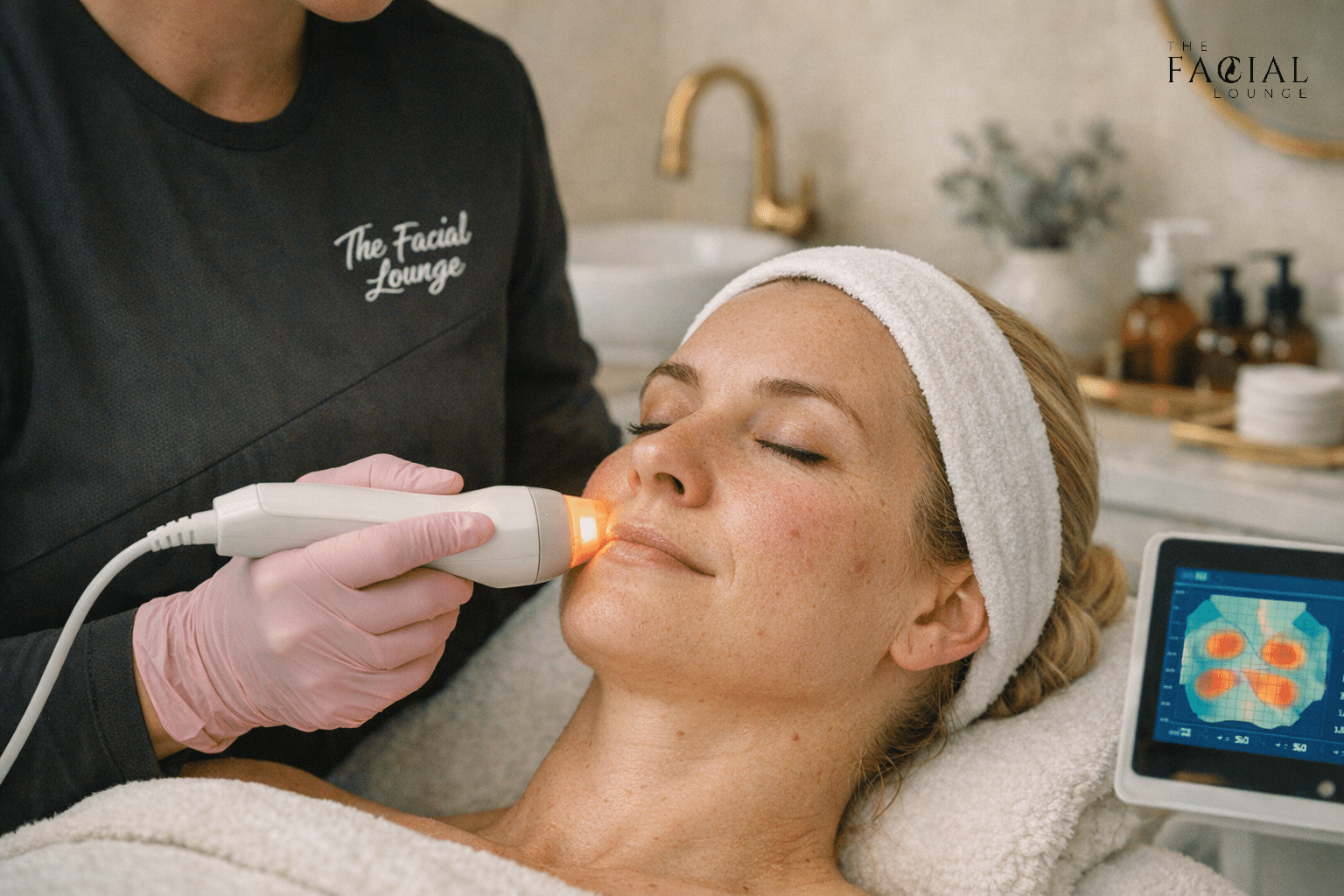
A Client Asked: “Should My Anti-Aging Facial in Mississauga Target Uneven Tone or Fine Lines First?” How to Set Treatment Priorities
Last updated: October 18, 2026
Published October 18, 2026 · Updated October 18, 2026
An anti-aging facial in Mississauga should usually address uneven tone before fine lines when sun damage is visible, because heat-based and needling treatments are generally planned around pigment-prone skin. The order for your own face is set by a 3D Skin Analysis, which shows how deep pigment sits and how much texture change is present. For people in Lorne Park, a lakeside neighbourhood with a lot of outdoor, waterfront living, tone tends to be the louder concern, and that changes the sequencing.
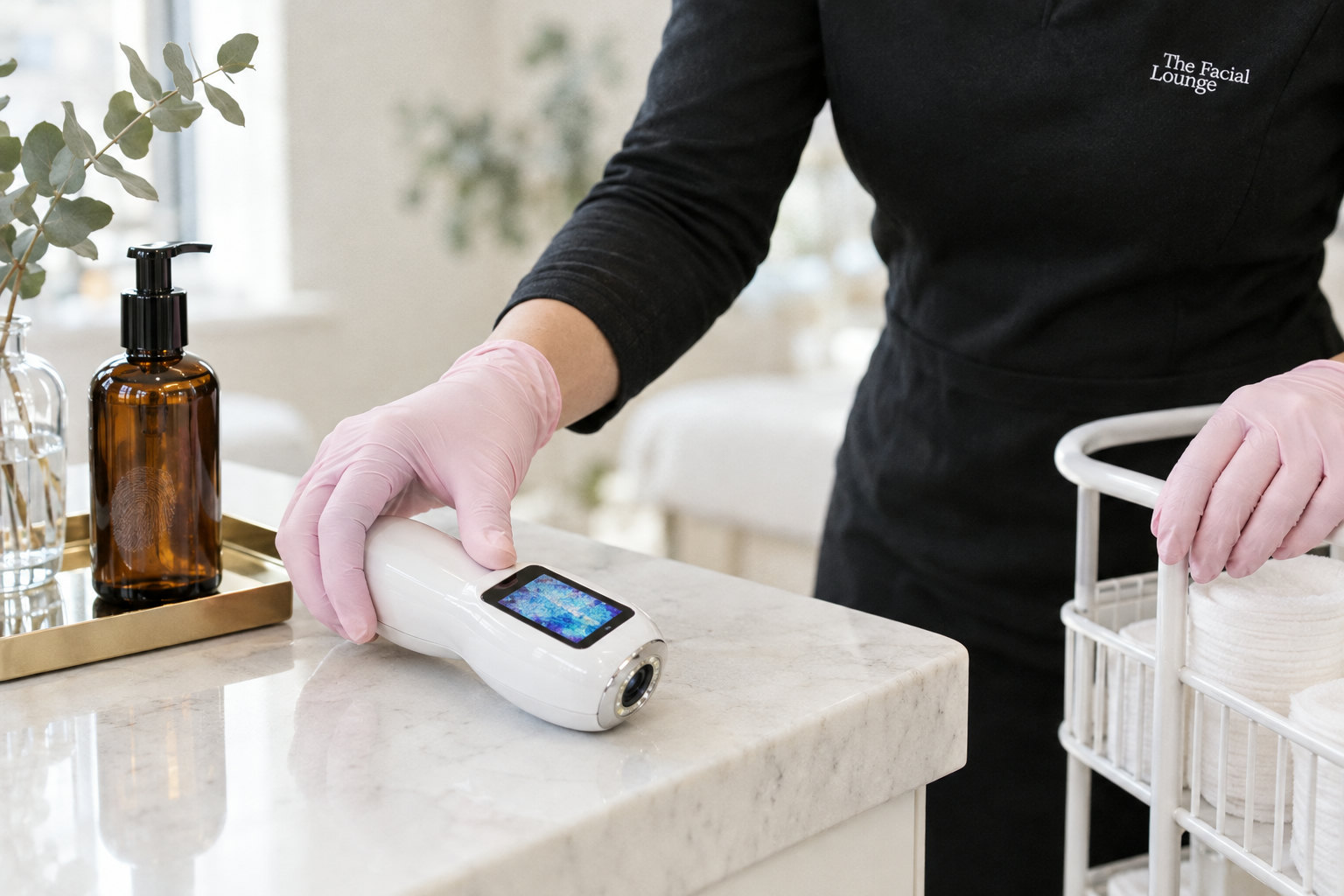

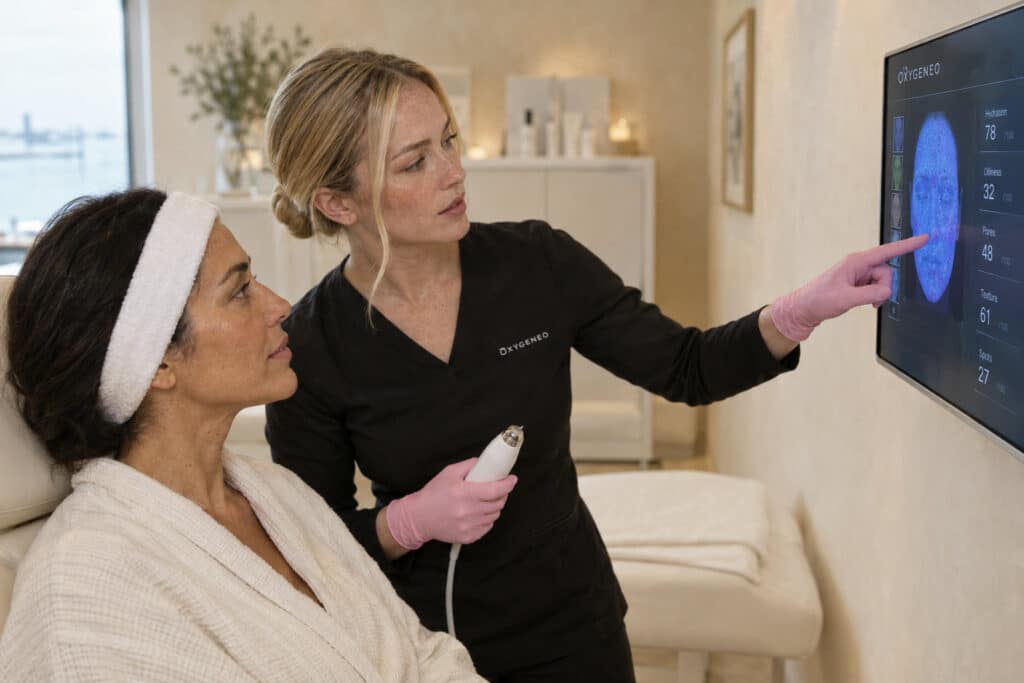
- A 3D Skin Analysis is the foundation of every protocol at The Facial Lounge, and it decides whether tone or fine lines lead the plan.
- Uneven tone usually comes first when sun spots or post-summer pigment are visible, because pigment-prone skin needs a calm starting point before deeper heat or needling work.
- The Korean Glass Facial (from $179) and the Oxygeneo Super Facial (from $189) are common early-phase choices for brightness and surface renewal.
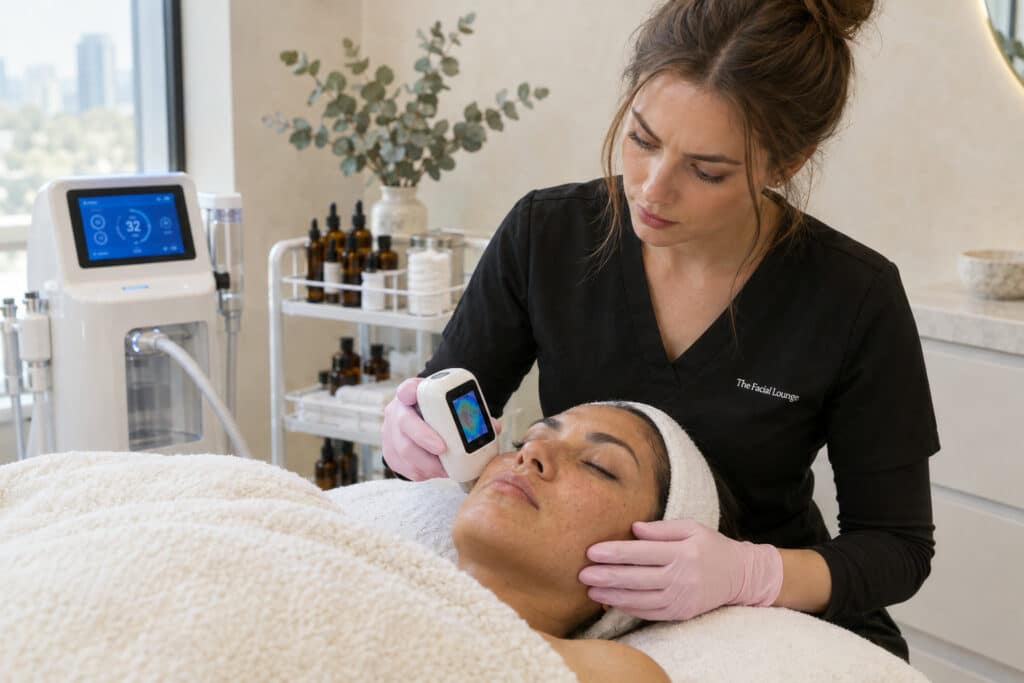
- TriPollar RF skin tightening (from $250 / session) and VoluDerm RF microneedling (from $325) typically enter a plan when the goal shifts to firmness and fine lines.
- Maintenance every 4-6 weeks keeps a two-goal plan on track once the main phase is complete.
- Year-round SPF is what protects tone gains; skipping it in winter is a common reason pigment work stalls.
How does an anti-aging facial in Mississauga decide between tone and fine lines?
An anti-aging facial decides between tone and fine lines by reading the skin first, not by guessing from the mirror. At The Facial Lounge, every appointment begins with a 3D Skin Analysis, and that scan is the foundation of every protocol. It maps surface and deeper pigment, texture, and the early creasing that becomes fine lines.
The mirror is misleading. Sunspots and patchy colour draw the eye, while early lines often only show in certain light. A scan sees both at once, and it often reveals pigment that has not yet surfaced. That hidden layer matters, because it can flare if a treatment adds heat or inflammation too early.
This is a question most people with two concerns eventually ask. If you’re in your late thirties to fifties, you spend summers outdoors, and you’re noticing both brown patches on the cheekbones and the first lines around the eyes, the sequencing below is written for you. It is not aimed at someone with a single, clear concern like active acne.
The general rule, and when it flips
The general rule is tone first, lines second, when pigment is visible or active. The reason is practical: radiofrequency and microneedling create controlled heat or micro-injury, and pigment-prone skin is commonly planned around that so colour does not deepen. Brighter, calmer skin is a better canvas for firming work.
The rule flips when the scan shows minimal pigment and the main change is laxity or texture. In that case, firming treatments can lead, with brightening layered in as maintenance. Some plans run both tracks gently from the start. Your esthetician confirms which applies at consultation.
The 3D Skin Analysis sets priority. Visible or hidden pigment usually means tone leads; little pigment with clear laxity usually means fine lines can lead.
For more on how the scan reads age-related change and seasonal climate effects, see how 3D Skin Analysis reads aging and climate effects.
Neighbourhood facts worth knowing
- It sits on the north shore of Lake Ontario, with waterfront parks such as Jack Darling Memorial Park drawing people outdoors.
- Rattray Marsh Conservation Area, managed by Credit Valley Conservation, lies along the shoreline nearby, with walking trails in open sun.
- The housing is largely detached homes on generous, tree-lined lots, which means a lot of gardening and yard time.
- Lakeshore Road West runs along its southern edge, a popular route for cyclists and runners.
- Winters bring wind off the lake, followed by indoor forced-air heating that dries the air for months.
What makes Lorne Park different for anti-aging skin priorities
Lakeside, outdoor-heavy living shapes skin priorities differently from a downtown condo lifestyle. Water, sand and pale pavement reflect ultraviolet light, which Health Canada notes can add to the UV exposure you get from direct sun. Shoreline trails, beach walks and garden work add up across a season.
That pattern of exposure tends to show first as tone: freckling, patchy brown areas on the cheeks and forehead, and dullness. Fine lines arrive too, but uneven colour is often the change people notice earliest.
Then winter reverses the stress. Cold lake wind outside and dry heated air inside can leave skin tight and dehydrated, which makes existing fine lines look deeper than they are. Dehydration lines often soften with hydration alone. That distinction matters, because treating dehydration as true wrinkling leads to choosing the wrong tool.
Here, a two-season skin story is common: pigment builds in summer, dryness exaggerates lines in winter. A good plan respects both seasons rather than fighting them.
The skin concerns lakeside, outdoor living tends to bring
Lakeside and outdoor lifestyles typically produce four overlapping skin concerns. Each one affects whether tone or fine lines should lead an anti-aging plan.
1. Sun-driven pigment that hides below the surface
Sun-driven pigment is often deeper and more widespread than it looks. A 3D Skin Analysis can show clusters that have not surfaced yet, which is why a plan built from the mirror alone can misjudge the starting point. Hidden pigment is a strong signal to put tone first.
2. Winter dehydration that mimics wrinkles
Winter dehydration produces fine crepey lines across the cheeks and under the eyes. These are not always structural. Hydration-focused treatments such as AQUAPURE or oxygen infusion therapy can show whether a line is dehydration or true creasing before any firming work is scheduled.
3. Dullness and uneven texture together
Dullness and rough texture often travel together after a season outdoors. Built-up surface cells scatter light, so skin looks both older and less even. Surface renewal, such as the exfoliation and infusion steps of an Oxygeneo Super Facial, addresses this before deeper goals.
4. Early laxity along the jaw and around the eyes
Early laxity shows as softening along the jawline and lines around the eyes. This is where radiofrequency treatments like TriPollar RF skin tightening are designed to help, and where they typically take the lead once tone is stable.
How is a two-goal anti-aging protocol built?
A two-goal anti-aging protocol is built in phases, starting with the 3D Skin Analysis and moving from calming and brightening toward firming. The phases below describe how sequencing commonly works; your actual plan, number of visits and timing are set at consultation based on your scan.
Scan and set priority
The 3D Skin Analysis maps pigment depth, texture and early lines, and the esthetician decides which goal leads.
Calm, hydrate and brighten
Surface-focused treatments such as the Korean Glass Facial, Oxygeneo Super Facial or AQUAPURE restore hydration and even out dullness.
Introduce firming and texture work
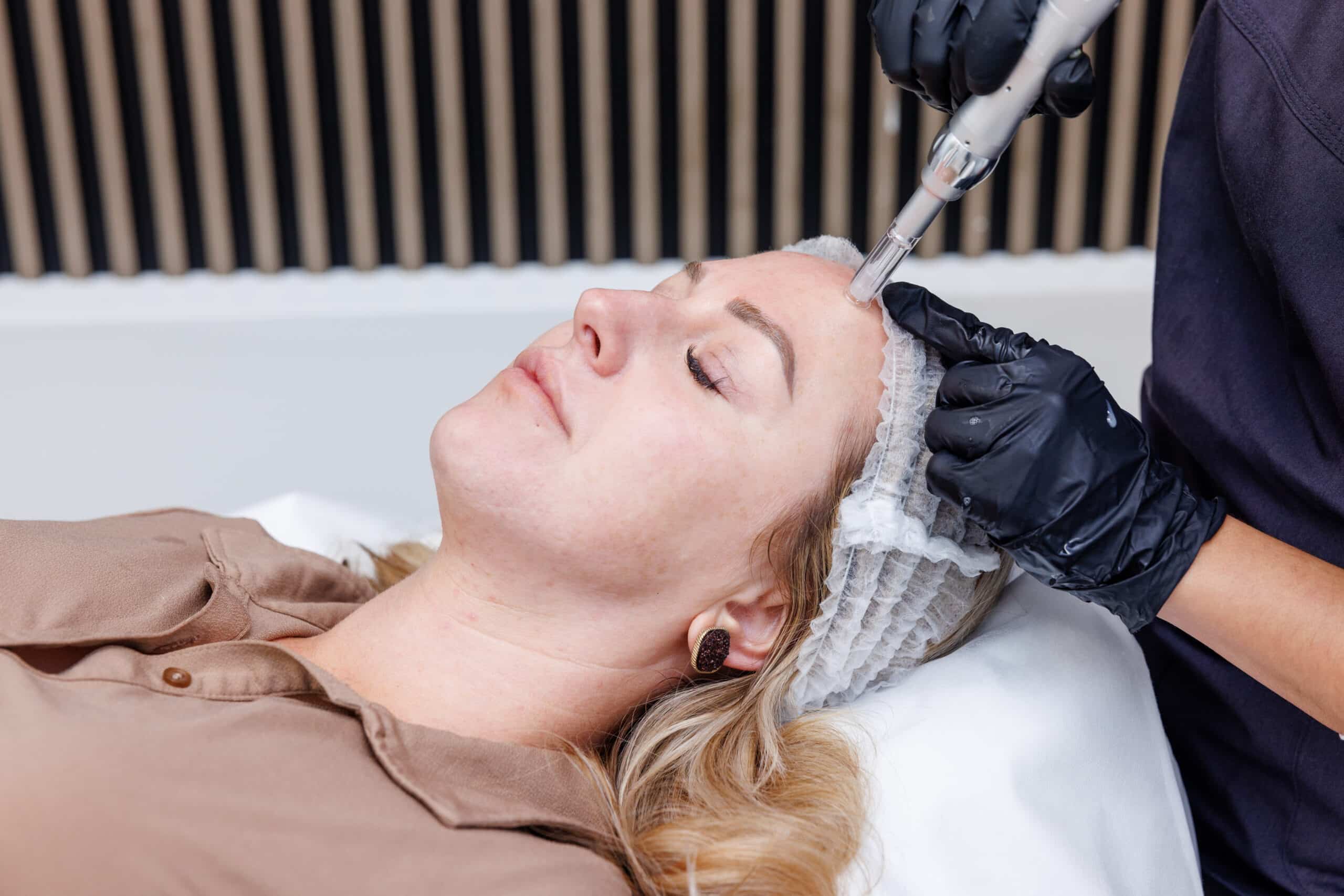
Once tone is stable, TriPollar RF, VoluDerm RF microneedling, TriFractional resurfacing or the Imperial Lift & Tone Facial address lines and laxity.
Maintain every 4-6 weeks
Maintenance visits every 4-6 weeks keep both goals on track, with a fresh scan to adjust the mix by season.
Tone-phase treatments and what they cost
The Korean Glass Facial, from $179, focuses on hydration and a luminous, even-looking surface. The Oxygeneo Super Facial, from $189, combines exfoliation, infusion and oxygenation, which is how the manufacturer describes its three-in-one approach. Both suit an early phase where brightness and a calm barrier come first.
AQUAPURE and oxygen infusion therapy can be folded in for deep cleansing and hydration, which also helps separate winter dehydration lines from true creasing.
Lines-phase treatments and what they cost
TriPollar RF skin tightening, from $250 per session, uses radiofrequency energy that the manufacturer markets for skin tightening and contouring. VoluDerm RF microneedling, from $325, pairs microneedling with radiofrequency for texture and fine lines. The Imperial Lift & Tone Facial, from $299, is a signature option for lift and firmness.
TriFractional resurfacing works on texture and can support tone too, which makes it a bridging option in some plans. Depth and heat differ across these tools, so the choice depends on what the scan shows. For a detailed comparison, read TriPollar RF tightening vs RF microneedling depth, and for signature facials, see Korean Glass Facial vs Imperial Lift & Tone by skin goal.
Should tone or fine lines lead? A side-by-side view
Choosing whether tone or fine lines should lead an anti-aging facial plan comes down to what the scan finds. Each approach genuinely wins in a different situation.
| Scan finding | Usual lead goal | Common starting treatments |
|---|---|---|
| Visible or hidden pigment, mild lines | Tone first | Korean Glass Facial (from $179), Oxygeneo Super Facial (from $189) |
| Dehydration lines, dullness | Hydration first | AQUAPURE, oxygen infusion therapy |
| Minimal pigment, clear laxity | Fine lines first | TriPollar RF (from $250 / session), Imperial Lift & Tone (from $299) |
| Texture and lines with stable tone | Texture and lines | VoluDerm RF microneedling (from $325), TriFractional |
Our view
In our opinion, people overweigh the concern that bothers them most in the mirror and underweigh what sits beneath it. Fine lines feel urgent, but starting with heat-based firming on skin carrying active pigment is the wrong order for many faces. Patience in the first phase tends to make the second phase look better.
What actually matters is a plan that has a reason behind every step. A boutique approach, one esthetician reading one scan and adjusting by season, is more useful than a menu of treatments booked at random. The best anti-aging facial is the one sequenced for your skin, not the most advanced device on the list.
Daily habits carry as much weight as appointments. Consistent SPF and a gentle routine protect every dollar spent in the treatment room. For more on that balance, see at-home skincare vs in-clinic treatment results, or browse the full list of facial and skin treatments.
Frequently asked questions
Can I treat uneven tone and fine lines at the same time?
Treating uneven tone and fine lines together is possible in some plans, depending on what the 3D Skin Analysis shows. When pigment is minimal, gentle brightening can run alongside firming such as TriPollar RF (from $250 per session). When pigment is active, tone usually leads and firming follows.
Which facial is best to start with for sun spots?
The best starting facial for sun spots depends on your scan, but surface-focused options are common first steps. The Korean Glass Facial (from $179) and the Oxygeneo Super Facial (from $189) focus on brightness and renewal. Your esthetician confirms the right choice after the 3D Skin Analysis.
How often should an anti-aging facial be booked?
Anti-aging facial maintenance is typically booked every 4-6 weeks once a main treatment phase is complete. The spacing during an active phase varies by treatment and skin, so it is set at consultation. Seasonal rescans help adjust the mix between tone and firming work.
Is the timing different for people who live near the lake in Lorne Park?
Timing for lakeside residents often favours starting tone work in autumn, after the outdoor season. Water and pale surfaces reflect UV, so summer pigment builds, and a 3D Skin Analysis in September or October captures it fully. Year-round SPF then protects the progress through winter.
Sources
- Reflection of UV from water, sand and snow, and year-round sun protection – Health Canada: Sun safety
- Rattray Marsh Conservation Area management – Credit Valley Conservation
- Treatment menu and published prices – The Facial Lounge services
The Facial Lounge
The Facial Lounge is a premium aesthetic skincare boutique at 100 Queen St., Unit 202, Mississauga, ON.
Book a 3D Skin Analysis to Set Your Tone vs Fine Lines Plan →
 Listen to this articleAudio version
- A Client Asked: “Should Hydration Come Before or After Skin Tightening in One Facial in Mississauga?” Here Is Why the Sequence Matters
- How a Cooksville Client’s Anti-Aging Facial in Mississauga Reversed 18 Months of Pandemic Skin Damage in 4 Sessions
- A Client Asked: “Should Closed Comedones Be Extracted During My Acne Facial in Mississauga?” What Erin Mills Clients With Oil Imbalance Need to Know
- A Client Asked: “Can I Book a Facial in Mississauga If I’m Currently Using Retinol or a Prescription Cream?” — What Our Estheticians Need to Know First
- A Client Asked: “I Got a Facial in Mississauga Last Month and My Skin Looks Worse — What Went Wrong?” — Our Esthetician’s Honest Diagnostic


Related Posts